
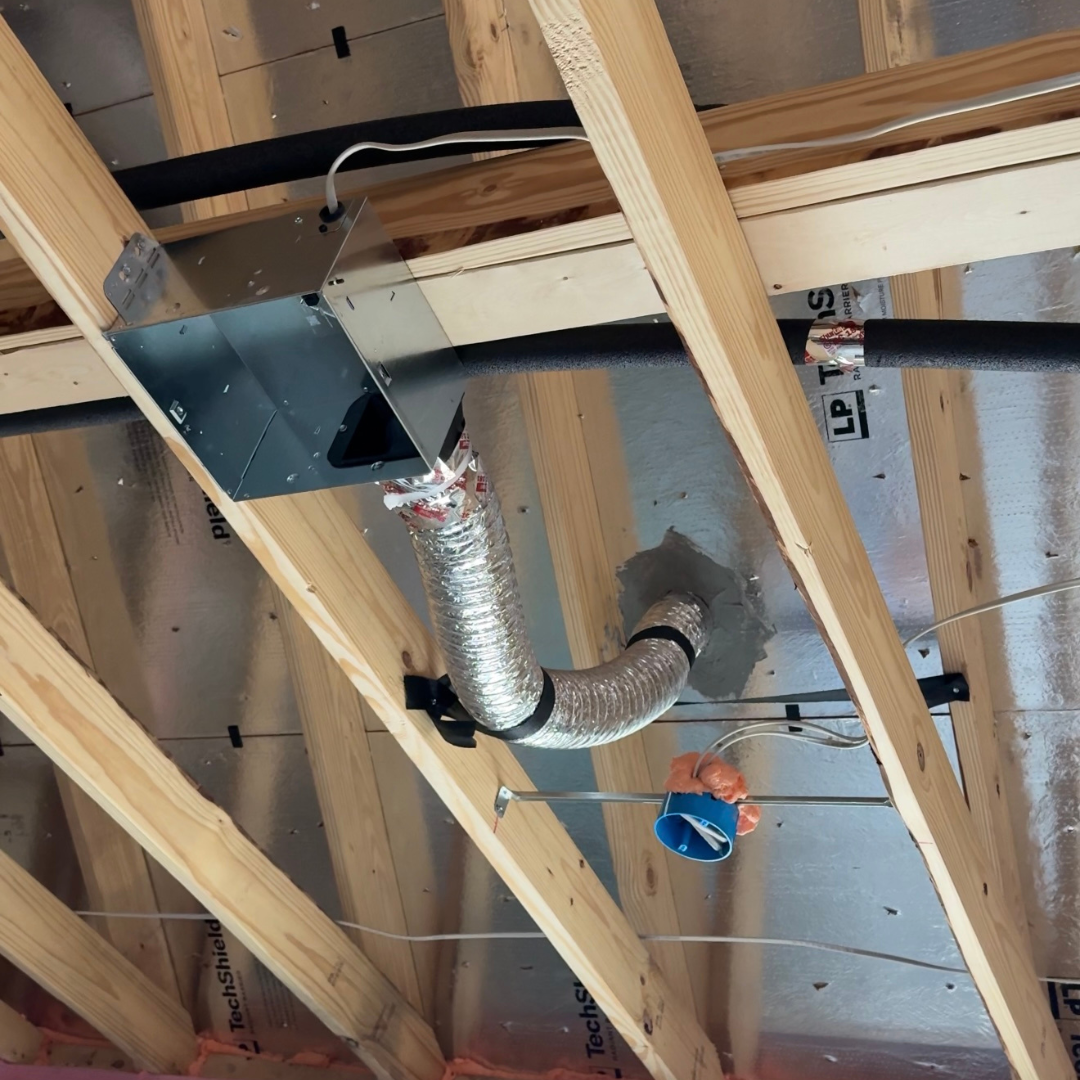
08 Mar Pre-Sheetrock Meeting: Some Things You Should Know
A pre-sheetrock meeting is a crucial step in the new construction process, taking place before the walls go up. This walkthrough gives buyers the opportunity to inspect their home while all the wiring, plumbing, HVAC, and framing are still exposed. This ensures that everything is in the right place before being covered by drywall, helping to prevent costly fixes later.
Why is a Pre-Sheetrock Meeting Important?
During this meeting, buyers will verify that all essential components are correctly installed according to the builder’s plans and buyer’s selections. This is the last chance to catch any issues before it becomes difficult (and expensive) to make changes.
Key Points to Review:
- Electrical Placement: Confirm that outlets, light fixtures, and switches are installed correctly. 💡🔌
- Plumbing & HVAC Systems: Ensure they are in the correct locations for efficiency and convenience. 🚰❄️
- Custom Upgrades & Changes: Review modifications to verify they match the contract. 📝
HVAC Checklist for a Pre-Sheetrock Meeting
One of the most important aspects to check is the HVAC (Heating, Ventilation, and Air Conditioning) system. Proper HVAC placement ensures efficient airflow, temperature control, and energy savings. Here’s what to look for:
Vent & Duct Placement
- Supply vents (blowing air into rooms) should be positioned for even airflow, avoiding obstructions like furniture or light fixtures.
- Return air vents (pulling air back into the system) must be correctly placed and sized for efficient air circulation.
- Ductwork should be securely installed without kinks or crushed sections that could restrict airflow.
Thermostat Location
- Installed in a central area, away from direct sunlight, windows, or exterior walls to ensure accurate temperature readings.
- Positioned away from supply vents, so the system doesn’t turn off too soon due to false temperature readings.
Registers & Grilles
- Ceiling, floor, or wall registers should not be placed where they will be blocked by furniture.
- Grilles (return air intake) must remain unobstructed to ensure smooth airflow circulation.
Mechanical Unit & Venting
- Furnace or air handler should be installed in the correct location (attic, closet, or garage) with proper clearance for maintenance access.
- Condensate drain lines should be properly routed to prevent leaks or water damage.
- Flue/exhaust vents for gas furnaces must be installed correctly and venting to the outside.
Bathroom & Kitchen Exhaust Fans
- Bathroom exhaust fans should vent directly to the outside, not into the attic (which can cause moisture issues).
- Kitchen range hood venting should be properly installed if applicable.
Why This Matters
If HVAC components are incorrectly placed, it can lead to:
- Hot and cold spots in your home
- Higher energy bills due to inefficiency
- Poor air circulation and potential HVAC system strain
By catching any mistakes before drywall goes up, you save time, money, and future frustration. Once walls are in place, making adjustments becomes significantly more difficult and expensive.
Final Thoughts
If you’re building a home, don’t overlook the pre-sheetrock meeting! It’s your chance to ensure your home’s systems are installed correctly and functioning as expected. Have questions about the new construction process? Reach out—I’d love to help!
No Comments