
16 Dec Unveiling the Past: The Railroads and Roots of Wylie, Texas
Unveiling the Past: The Railroads and Roots of Wylie, Texas
Wylie, Texas, a thriving suburb today, owes much of its existence to the serendipitous paths of the railroad tracks laid out in the 19th century. The story of Wylie is a testament to the transformative power of railroads during the “Golden Age” of railroading. Let’s embark on a historical journey to uncover the origins and growth of this vibrant community.
The Golden Age of Railroading and Wylie’s Birth
Railroads: The Veins of Prosperity
The late 19th century marked a pivotal era for the United States, known as the “Golden Age” of railroading. It was a time when the iron rails changed the economic landscape, surging through towns and bringing with them opportunities and progress. Despite the skepticism of some, who feared the locomotives were “a device of the devil,” the efficiency of rail transportation in moving goods and people was undeniable.
Nickelville to Wylie: A Town Renamed
Before the bustle of trains and commerce, there was a modest town known as Nickelville. Its origin story is a mix of humor and thrift – named either after a nickel store or a local’s quip that residents “weren’t worth a plug nickel.” In 1885, as the Santa Fe train tracks edged closer, bringing with them the promise of prosperity, the fate of Nickelville was about to change.
Colonel W.D. Wylie: The Man Behind the Name
When the time came to lay the tracks, the railroad engineers, led by Colonel W.D. Wylie, made a crucial decision to route them north of Nickelville. The charismatic Colonel Wylie had his sights set on a legacy, and he struck a deal with the townspeople: rename the town after him, and he would ensure its prosperity. The allure of progress – and new baseball uniforms – was too good to resist. Thus, when the post office application was stamped on June 10, 1886, Wylie was officially born.
The Arrival of the Railroad
A Festive Inauguration
The first train chugged into Wylie on October 13, 1886, amidst a fanfare of brass bands and speeches. The town welcomed the Dallas elite and celebrated with complimentary beer – a fittingly grand entrance for the railroad that would shape Wylie’s future.
Auctions and Agriculture: The Foundations of Growth
Colonel Wylie’s vision included timed land auctions to coincide with the train’s arrival. The lots sold quickly, fueled perhaps by the spirited influence of free beer. Profits soared, and Wylie’s economic foundation was laid. The following year saw the arrival of the Cotton Belt rail line, further cementing Wylie’s place on the map.
The Reign of Agriculture
Cotton and Onions: The Monarchs of the Field
By the mid-1910s, Wylie was not just a railroad town but an agricultural hub. “King Cotton” dominated, dictating school schedules and attracting laborers far and wide. The cotton gins buzzed with activity, and the platforms near the tracks became makeshift homes for those working the bales.
Sharing the throne with cotton was the onion. Wylie’s sweet white onions earned it the title “Onion Capital of the World” until the early 1960s. The onion sheds by the Santa Fe tracks were a hub of activity, with migrant workers tending to the harvest during the topping season, ensuring the onions were market-ready.
Conclusion: The Living Legacy of Wylie
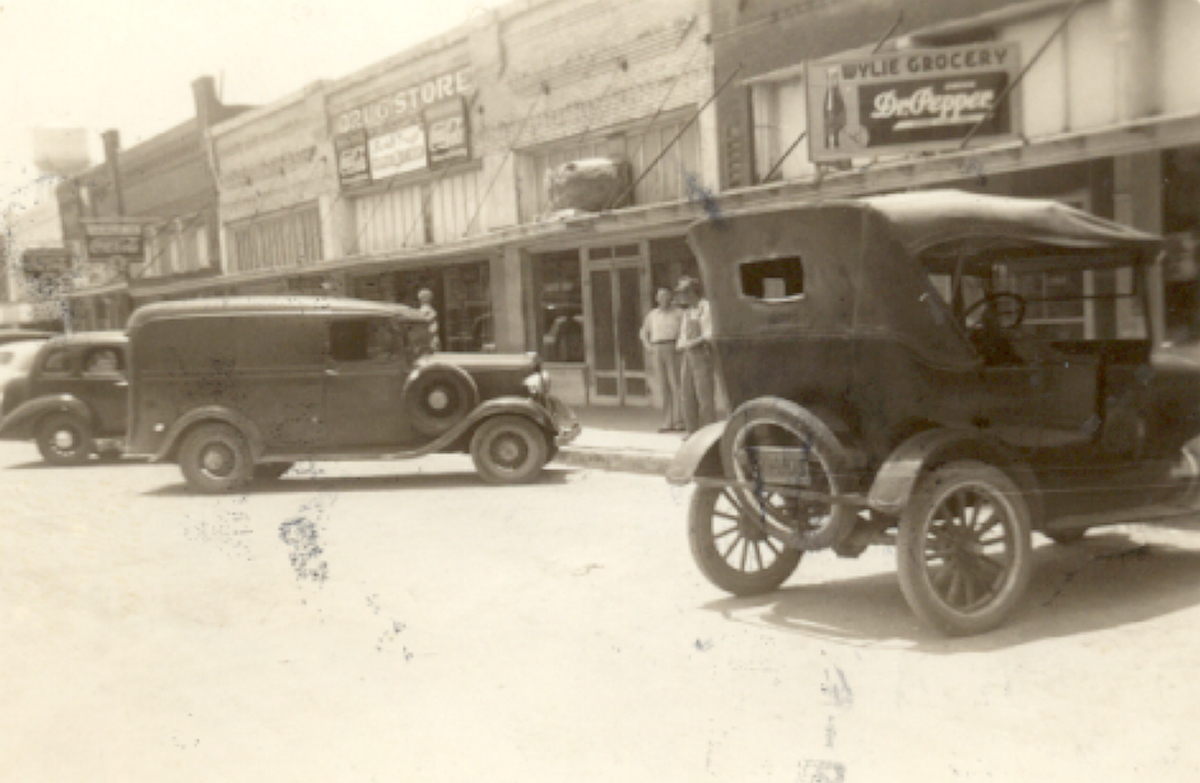
The history of Wylie is more than a tale of tracks and crops; it’s about how a town can sprout from the strategic decisions of a few and the hard work of many. The echoes of the past are still visible in today’s Wylie – in the downtown structures that stand as monuments to its origins and in the spirit of a community that continues to grow, adapt, and thrive. The railroads brought Wylie into being, but it’s the people and their enduring tenacity that have carried its legacy through to the present day.
No Comments